Records & Releases
How the ledger handles uncertainty
A plain-language method for checking release dates, catalog numbers, credits and conflicting music sources.
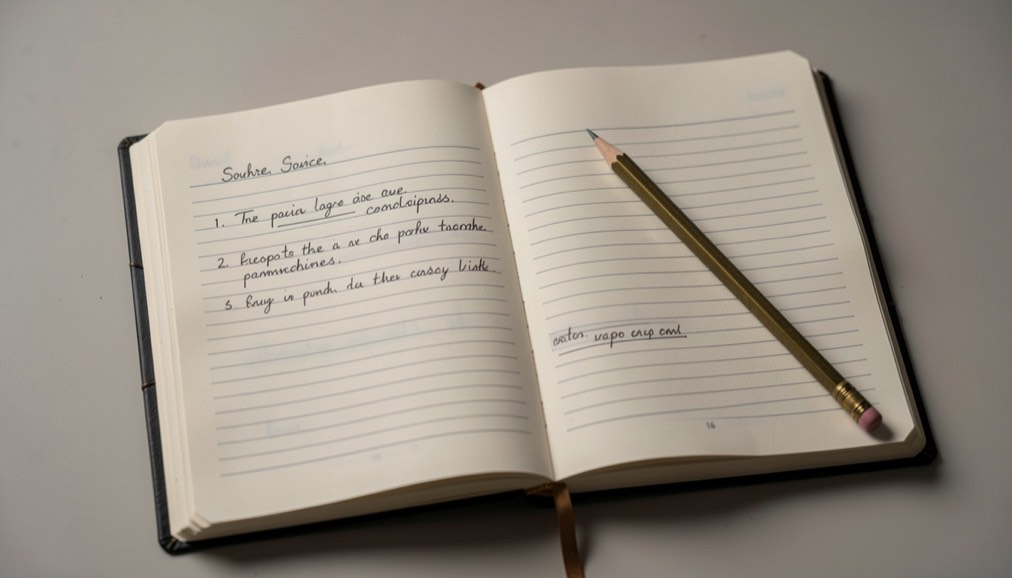
Discography work begins with identity, not with the most convenient date. First match the title and artist across an authentic archive path, an artist-controlled page, a library or structured music record. Then record what agrees and what does not.
When sources conflict, the page keeps the conflict visible. A catalog number is not guessed from a filename, and a release year is not silently chosen by majority vote. This is slower than copying a database row, but much more useful to a collector, librarian or broadcaster.
Before a conflict can be kept visible it has to be recorded twice, and the note on working resources describes how a desk organises that trail.
What is a strong source?
A source that states the release or credit directly: an artist page, institutional record, library entry, structured identifier, specialist discography or clearly dated archive capture.
What happens when years disagree?
Both values remain visible with their sources. The page uses a broad or undated label until a stronger source resolves the difference.
Do you host audio or artwork?
No. The site links to useful records and commissions its own documentary stills. It does not copy cover art, scans, lyrics or recordings.
Can I send a correction?
Yes. Contact the desk with the route, the corrected field and the source that supports it.
Two of the desk's newer notes apply this method to documents that are not records, and the hymnal as a source document reads an edition the way a page reads a matrix number.
Explore the reading room
Two more questions get the same treatment here: voting in person in Idaho separates what a rule states from what a reader assumes, and the July street festival in Athens, New York shows how a published date and a confirmed date can differ. The film side is covered by programming a repertory cycle.