Listening & Culture
Make the credits audible
A practical classroom guide to using instrumentation, personnel and contrasting sessions for attentive listening.
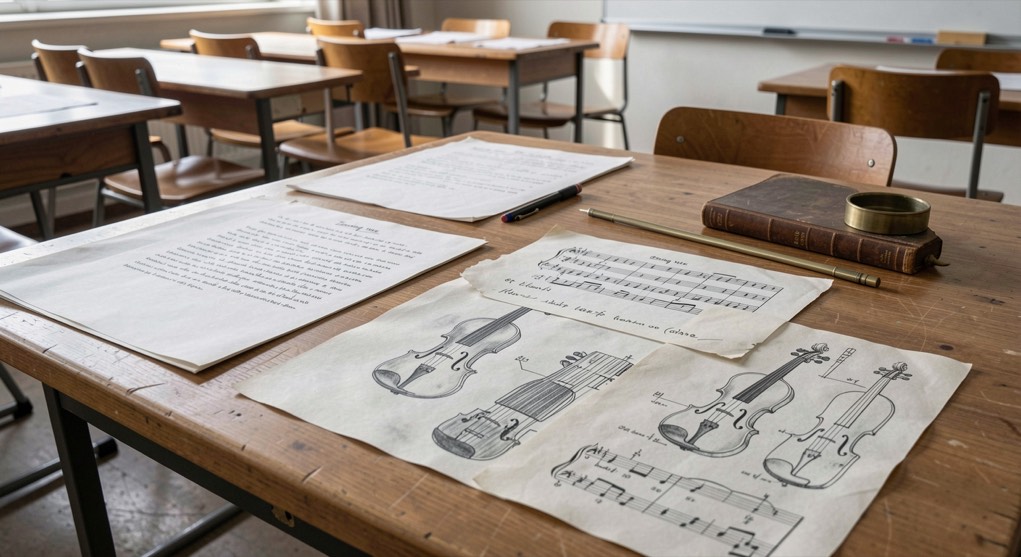
Credits make attentive listening teachable. A class can compare two records through instrumentation, ensemble size, arrangement language and the way a source describes the session, without needing an invented story about the studio.
Use the release pages as prompts: what is named, what is missing, which details are corroborated and how does the credited group change the listening question? The source trail is part of the lesson. A teacher can ask students to separate what they hear from what a source claims, then cite the record that supports the comparison.
Read next
Three notes follow the teaching shape used here, where a term is defined before it is used: washing a stuffed bear sets out a routine for looking after an object, inspecting a kit box teaches what to check before buying, and photo licences and consent explains a rule a student will meet in practice.